

How Often Should You Replace Your Toothbrush and Tips for Sanitizing Your Toothbrush

Poor diet is not only a key contributor to oral health and disease, but it is now considered the leading cause of death in the United States, having overtaken the decades-long reign of tobacco as leader. What we eat and how we eat it are critical to our health, well-being, and risk of developing a myriad of diseases. The importance of a healthy diet and disease control has long been recognized as an essential component of oral health care. Jean Anthelme Brillat-Savarin, a French lawyer and politician, is credited with the common idiom, “you are what you eat,” derived from his 1825 text, Physiologie du Goût, in which he stated, “Tell me what you eat, and I will tell you what you are.” The dental office can serve as a meaningful contact point to help reinforce the importance of a healthy diet and provide counseling to help with dietary issues relating to chronic oral disease and overall systemic health. The evidence is clear that diet is important in the development of chronic oral health conditions, including caries, periodontal disease, and oral cancer. Improving the health of patients through diet modification is certainly not a new concept in the oral health care environment. We routinely ask about dietary issues associated with caries and have discussions with patients about adopting alternatives to a more healthful dietary pattern. If we are what we eat, then oral health care providers have a responsibility and opportunity to help patients customize their diets so that what they eat helps them achieve what we all want to be—healthy.
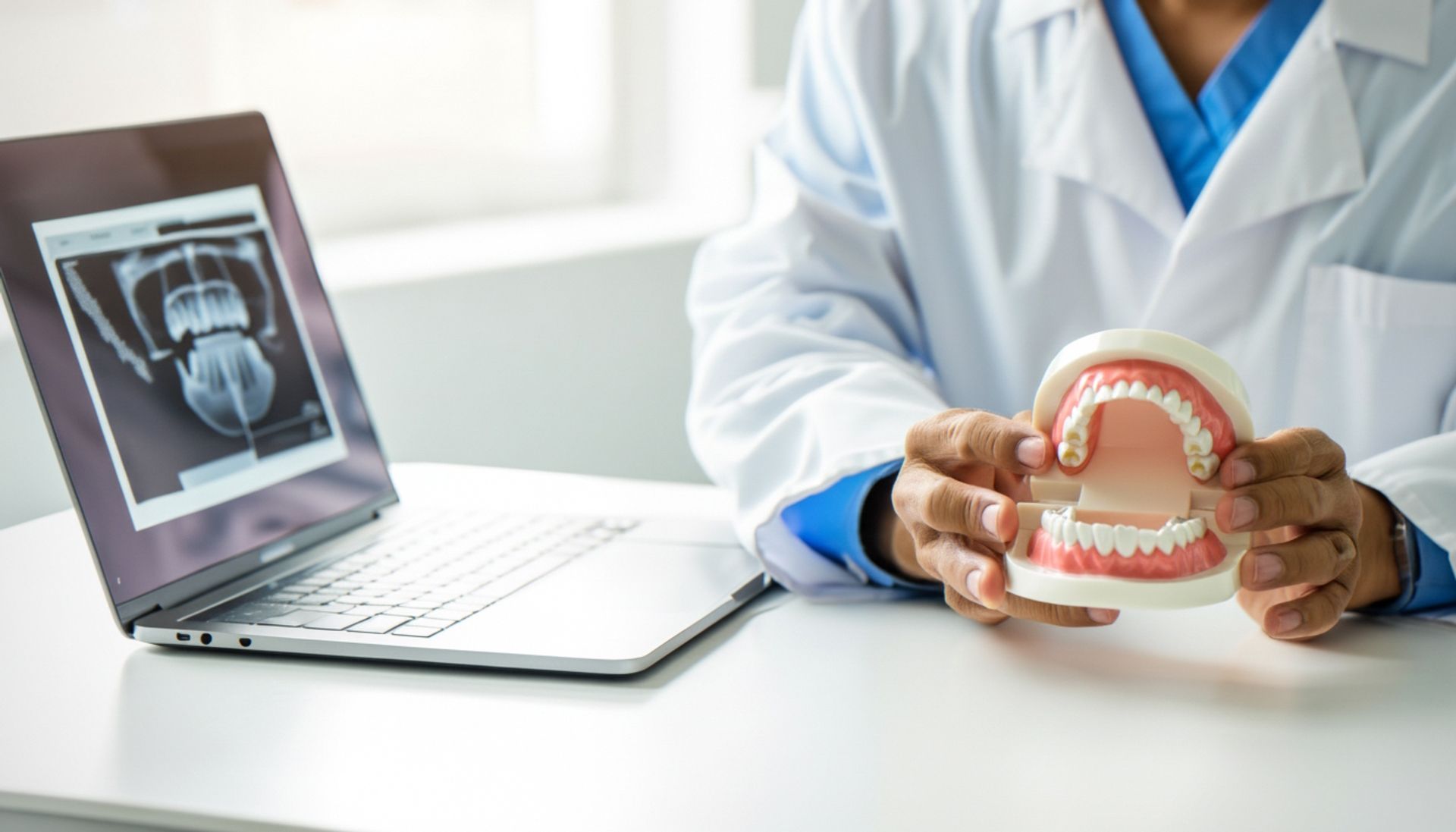
In many dental offices, digitized X-rays (think digital camera) are replacing traditional radiographs. Although digital X-rays have been on the market for several years, they have recently become more popular with dentists. Digital X-rays are faster and more efficient than traditional radiographs. First, an electronic sensor or phosphor plate (instead of film) is placed in the patient’s mouth to capture the image. The digital image is then relayed or scanned to a computer, where it's available for instant viewing. This procedure is much faster than processing conventional film. And because the sensor and phosphor plates are more sensitive to X-rays than film is, the radiation dose is significantly reduced. Digital X-rays have many uses besides finding cavities. They also help look at the bone below the teeth to determine if the bone level is good. Dentists can use the X-rays to check the placement of an implant -- a titanium screw-like device that is inserted into the jawbone so that an artificial tooth can be attached. Digital X-rays also help endodontists -- dentists who specialize in root canals -- to see if they have performed the procedure properly.